Is Your Shreveport Home Making Your Family Sick? The Truth About Mold Prevention Insulation Shreveport Homeowners Can’t Afford to Ignore
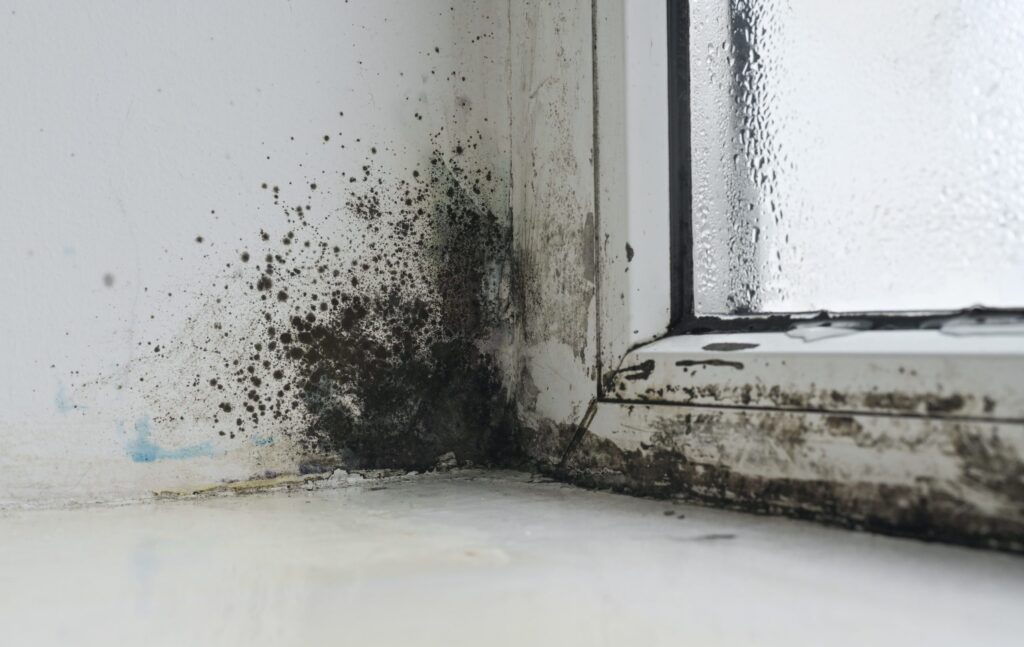
The Hidden Danger Growing Inside Your Shreveport Home Right Now If you live in Shreveport, Bossier City, or anywhere in Northwest Louisiana, there’s a threat quietly growing inside your home that you may not even know about yet. It doesn’t announce itself loudly. It hides in your attic, lurks under your floors, and creeps behind your walls. By the time most families notice it, it’s already affecting the air their children breathe every single day. We’re talking about mold, and in Northwest Louisiana’s brutally humid climate, it’s far more common than most homeowners realize. Mold prevention insulation Shreveport homeowners invest in is one of the most powerful and most overlooked defenses against this silent threat. At Greenstar Insulation, we see the consequences of inadequate insulation in homes across Shreveport and Bossier City every single spring and summer, and the results are often shocking. Families dealing with mysterious respiratory issues, musty odors they can’t track down, and skyrocketing HVAC bills that just don’t make sense. In many cases, the root cause is the same: moisture is getting into the home through poorly insulated attics, crawl spaces, and walls, creating the perfect environment for dangerous mold to thrive. The good news? This is a problem you can get ahead of, especially right now, as spring arrives and humidity levels in Northwest Louisiana begin their seasonal climb. In this guide, we’re going to show you exactly what’s at risk, where mold hides in local homes, and how mold prevention insulation Shreveport families choose from Greenstar can protect your home and your family before the problem starts. Why Northwest Louisiana is One of the Worst Places in the Country for Home Mold Let’s be blunt: Northwest Louisiana is not a forgiving climate when it comes to moisture. Shreveport and Bossier City sit in a region where summer humidity regularly exceeds 90%, spring rains are heavy and frequent, and temperatures create the kind of warm, wet conditions that mold absolutely thrives in. Mold doesn’t need much to get started. It needs moisture, warmth, and a surface to grow on, and an under-insulated Louisiana home provides all three in abundance. When warm, humid outdoor air contacts cooler surfaces inside your home like attic rafters, crawl space joists, or wall cavities, condensation forms. That condensation is all mold needs to take hold. What makes this especially alarming for homeowners in our area is the speed at which mold can spread in Northwest Louisiana’s climate. A small moisture problem that might take months to become serious in a drier climate can escalate to a full-blown mold infestation in Shreveport or Bossier City in just a matter of weeks during peak humidity season. Spring is when this process accelerates, which is exactly why mold prevention insulation Shreveport experts at Greenstar recommend acting before summer humidity arrives in full force. Where Mold Hides in Shreveport and Bossier City Homes Mold is sneaky. It rarely grows somewhere obvious. Here are the most common locations we find mold in Northwest Louisiana homes, and why each one is so vulnerable: 1. Crawl Spaces – The Number One Problem Area: If your Shreveport or Bossier City home has a crawl space, it is almost certainly your biggest mold risk. Crawl spaces sit directly above bare soil, which constantly releases moisture. Without proper insulation and vapor barriers, that moisture rises directly into your home’s structure. Crawl space mold in Shreveport is one of the most common issues we encounter at Greenstar, and it’s also one of the most serious, because mold growing beneath your floors means your family is breathing contaminated air every day without knowing it. 2. Attics – Out of Sight, Out of Mind: Most homeowners never go into their attic, which means attic mold in Shreveport and Bossier City can grow unchecked for years. Poor attic insulation allows warm, humid air to infiltrate from outside. Without a proper thermal and moisture barrier, condensation builds up on rafters and roof decking, creating a perfect breeding ground for mold. By the time you notice water stains on your ceiling or a persistent musty smell upstairs, the mold has often already spread significantly. 3. Wall Cavities – The Invisible Problem: Walls that lack adequate insulation allow moisture to move freely between the outside environment and the inside of your home. In older Shreveport and Bossier City homes especially, wall cavities with degraded or insufficient insulation are a major entry point for moisture. This type of mold is particularly difficult to detect because it’s completely hidden behind drywall, and often doesn’t reveal itself until structural damage has already occurred. 4. Around HVAC Systems and Ductwork: Northwest Louisiana homes run their air conditioning systems hard, sometimes for eight or nine months of the year. The temperature differential between your cool ductwork and the warm, humid air surrounding it creates constant condensation opportunities. Without proper insulation around ducts and in surrounding spaces, moisture accumulates and mold follows. What Mold is Doing to Your Family’s Health This is the part of the conversation that matters most. Mold isn’t just a structural problem, it’s a health problem, and in some cases a serious one. Common health effects of mold exposure include: If anyone in your family has been experiencing unexplained respiratory symptoms, frequent headaches, or persistent fatigue, especially if symptoms improve when you leave home and return when you come back, mold could be the reason. Don’t wait for a diagnosis to investigate. Mold prevention insulation Shreveport specialists at Greenstar can assess your home’s vulnerability and identify problem areas before they become health crises. How Mold Prevention Insulation Stops the Problem Before It Starts Here’s what separates a home that develops a mold problem from one that doesn’t: the quality and type of insulation protecting it. Proper mold prevention insulation Shreveport homes need must do two things simultaneously, block heat transfer and block moisture infiltration. Here’s how Greenstar’s solutions accomplish both: Closed-Cell Spray Foam Insulation: This is the gold standard for moisture resistant insulation in Louisiana. Closed-cell spray foam
Spring Insulation Upgrades Louisiana: The Smart Way to Beat the Heat in Shreveport and Bossier City
If you’ve lived in Shreveport or Bossier City for more than one summer, you already know what’s coming. The temperatures climb into the 90s, the humidity wraps around you like a wet blanket, and your air conditioner runs nonstop trying to keep up. By August, your energy bill can feel like a second mortgage. Here’s the good news: spring insulation upgrades Louisiana homeowners invest in now can make a dramatic difference in how comfortable your home feels, and how much you spend keeping it that way. Spring is the sweet spot. The weather is still manageable, contractors are available, and you’ll have your home dialed in well before the first brutal heatwave hits. At Greenstar Insulation, we’ve been helping homeowners across Shreveport and Bossier City get ahead of the heat for years. Whether you’re looking at home insulation in Shreveport, upgrading your attic in Bossier City, or you’ve noticed some uneven concrete on your driveway or patio, this guide is for you. We’ll walk you through everything you need to know about getting your home ready for Louisiana’s long, hot summer, starting right now, this spring. Why Spring is the Best Time for Insulation Upgrades in Shreveport and Bossier City Let’s be honest, most homeowners don’t think about insulation until it’s already sweltering outside and their energy bills have skyrocketed. By then, insulation contractors are fully booked, prices have gone up, and you’re stuck sweating it out for weeks waiting for an appointment. Spring insulation upgrades Louisiana homeowners plan ahead for solve all of that. Here’s why making your move now is the smartest decision you can make for your home this year: 1. Beat the Rush and Lock in Your Schedule: Every spring, the same thing happens. As temperatures start climbing in April and May, phones at insulation companies start ringing off the hook. Homeowners who waited too long scramble to find available contractors, often paying premium prices or waiting weeks for an opening. By acting now, you get your pick of scheduling, faster installation, and the peace of mind that comes with knowing your home will be ready long before the real heat sets in. 2. Start Saving on Energy Bills Sooner: The moment your new insulation goes in, it starts working. Upgrading your home insulation in Shreveport or home insulation in Bossier City this spring means your HVAC system doesn’t have to work nearly as hard when those first hot days arrive in late April and May. Many homeowners see energy savings of up to 20% or more after a proper insulation upgrade—and in Louisiana’s long summers, that adds up fast. 3. Get Ahead of Humidity Before it Peaks: Northwest Louisiana doesn’t just have heat—it has heat and humidity, and that combination is tough on homes that aren’t properly insulated. Warm, moisture-laden air can seep into walls, attics, and crawl spaces, leading to mold growth, musty odors, and long-term structural damage. Spring insulation upgrades Louisiana are the perfect time to address these vulnerabilities before humidity levels peak. The right insulation materialslike closed-cell spray foam—create a tight seal that locks moisture out and keeps your home healthier year-round. 4. Spring Weather Makes Installation Easier and Faster: Think about what it’s like to work in an attic in the middle of a Louisiana July. It’s brutal. Spring’s milder temperatures make it much easier for our installation crews to work efficiently in attics, crawl spaces, and wall cavities. That means faster installations, better workmanship, and less disruption to your daily life. It’s a win all around. The Best Insulation Solutions for Shreveport and Bossier City Homes Not all insulation is created equal, and what works in a home in Minnesota won’t necessarily be the best choice for a home in Northwest Louisiana. Our climate demands materials that can handle both intense heat and high humidity. Here are the top options we recommend for spring insulation upgrades Louisiana homeowners should consider: 1. Spray Foam Insulation, The Gold Standard for Louisiana Homes If there’s one insulation solution that was practically made for Louisiana’s climate, it’s spray foam. It expands to fill every crack, gap, and air leak, creating a seamless thermal and moisture barrier. Whether it’s your attic, walls, or crawl space, spray foam delivers exceptional R-values and doubles as a vapor barrier, a critical feature in a high-humidity environment like Shreveport and Bossier City. Homeowners who invest in spray foam as part of their home insulation Shreveport upgrade often report the most dramatic improvements in both comfort and energy bills. It’s not the cheapest option upfront, but the long-term savings and performance make it one of the best investments you can make in your home. 2. Blown-In Cellulose Insulation, Eco-Friendly and Incredibly Effective For homeowners who want to reduce their environmental footprint without sacrificing performance, blown-in cellulose is an outstanding choice. Made largely from recycled materials, cellulose fills attic spaces and wall cavities thoroughly and efficiently. It’s also naturally resistant to pests, which is never a bad thing in Louisiana. Blown-in cellulose is one of our most popular choices for home insulation in Bossier City attic upgrades. It goes in quickly, performs exceptionally well, and comes at a price point that works for most budgets. 3. Fiberglass Batt Insulation, Reliable, Affordable, and Effective Fiberglass batts have been a staple of American home insulation for decades, and for good reason. Today’s fiberglass products are better than ever, with improved mold resistance and higher R-values than older versions. For homeowners looking for a cost-effective solution that still delivers solid performance, fiberglass is a great option for attics, walls, and crawl spaces. It’s one of the most common materials used in spring insulation upgrades Louisiana projects across both Shreveport and Bossier City, and when installed correctly, it can provide years of reliable energy savings. 4. Crawl Space Insulation, The Hidden Key to a Cooler Home Here’s something a lot of homeowners don’t think about: if your crawl space isn’t properly insulated, you’re essentially letting Louisiana’s heat and humidity pump directly into your living
Uncle Sam’s Giving Away Money: Don’t Miss the 25C Tax Credit for Home Insulation Shreveport Residents!

The Clock’s Ticking Louder Than Your AC Unit: December 31, 2025 is D-Day Listen up, Shreveport and Bossier City homeowners, we need to have a serious talk about free money. Yes, you read that right. The federal government is literally trying to hand you up to $3,200 for upgrading your home insulation Shreveport style, and most of y’all are acting like it’s a crawfish boil invitation from your weird neighbor. The 25C Tax Credit expires December 31, 2025. That’s not a suggestion, a gentle reminder, or a “maybe we’ll extend it” situation. When that ball drops on New Year’s Eve, this gravy train pulls out of the station forever. And trust us, watching thousands of dollars wave goodbye hurts worse than stepping on a LEGO barefoot. What’s This 25C Tax Credit Thing Anyway? Think of the 25C Tax Credit as Uncle Sam’s way of saying “Hey, I’ll help you pay for that attic insulation if you promise to stop wasting energy like a teenager with their parent’s credit card.” Here’s what qualifies for the tax credit: For insulation services Shreveport homeowners typically need, you’re looking at claiming 20-30% of your project cost back on your taxes. Here’s the math: Spend $6,000 on a comprehensive home insulation Shreveport upgrade? That′s potentially $1,800 back in your pocket. Enough for a pretty nice vacation or approximately 4,286 pounds of crawfish (we did the math). Why Your Shreveport Home Needs Insulation More Than LSU Needs a Defense Our Northwest Louisiana climate is about as gentle on homes as Mike Tyson was on opponents. Let’s get real about what your house endures: Summer in Shreveport:Mother Nature cranks up the thermostat to “Satan’s Sauna” from June through September. Your AC runs harder than a politician during election season, and your energy bills look like phone numbers. Without proper attic insulation, you’re basically trying to air condition the entire neighborhood. Winter Reality Check:Sure, we don’t get Minnesota winters, but those 30-degree nights still make your heating system work overtime. Poor home insulation in Shreveport properties means you’re burning money faster than a casino on Airline Drive. The Real Cost of Bad Insulation in Bossier City and Shreveport Let’s talk turkey (or in Louisiana terms, let’s talk boudin): Energy Bills Gone Wild:Inadequate insulation can double or triple your cooling costs. We’ve seen Broadmoor homes with $500+ summer electric bills drop to $250 after proper insulation services Shreveport upgrades. Comfort? What Comfort?:That bedroom over the garage that’s hotter than a pepper sprout? That’s poor insulation talking. Those cold spots by the windows? Same culprit. HVAC Torture:Your air conditioner working 24/7 isn’t “normal for Louisiana”, it’s a cry for help. Systems in poorly insulated homes fail 5-7 years earlier than properly insulated ones. Moisture and Mold:Our humidity doesn’t play. Without proper insulation and air sealing, you’re inviting moisture problems that make your home smell like that gym bag you forgot in your trunk. Why GreenStar Insulation Is Your Tax Credit Hero Here’s the deal, not every contractor understands the 25C Tax Credit requirements. Some will happily take your money, do the work, and leave you scrambling come tax time when you realize the documentation isn’t right. GreenStar Insulation specializes in: The Math That’ll Make You Call Us Today Let’s break down a typical home insulation Shreveport project: Comprehensive Attic and Wall Insulation Upgrade: Item Amount Project Cost $7,000 25C Tax Credit $2,100 (30% back!) Annual Energy Savings $1,200 Time to Break Even Less than 4 years Comfort Level Priceless After the tax credit, you’re only out $4,900 for an upgrade that saves you $1,200 every single year. That’s like getting a 24% return on your investment, try getting that from your 401k! The December 31st Deadline Is Real (Unlike Your Brother-in-Law’s Fishing Stories) We cannot stress this enough: December 31, 2025 is a hard stop. Congress isn’t sitting around thinking “Hey, let’s extend that insulation tax credit.” When it’s gone, it’s gone like the last piece of king cake at a Mardi Gras party. Here’s your timeline for insulation services Shreveport: NOW (October): Schedule your free assessment with GreenStar Early November: Get your quote and lock in December installation Before December 15: Complete the work (don’t risk holiday delays) December 31: Smile knowing you didn’t procrastinate Tax Season 2026: Claim your credit and feel like a genius Don’t Be the Person Crying Over Lost Tax Credits Next January Picture this: It’s January 2026. Your neighbor just told you they saved $2,000 on their taxes from their insulation upgrade. You’re sitting there with your astronomical energy bills, uncomfortable home, and the knowledge that you could’ve had the same deal but decided to “think about it.” Don’t be that person. Seriously. The 25C Tax Credit for home insulation Shreveport residents need is literally free money for making your home better. Combined with Louisiana’s year-round energy demands, this isn’t just a nice-to-have, it’s a no-brainer investment. Your Next Move (Make It Now) You’ve read the numbers. You know the deadline. You understand what’s at stake. It’s time to stop thinking and start acting. Contact GreenStar Insulation Today for Your FREE Home Insulation Assessment. Here’s What Happens When You Call: ✓ FREE insulation assessment, no obligation, no sales pitch✓ Honest quote with itemized costs and tax credit details✓ December completion guarantee, beat that deadline✓ Full documentation for hassle-free tax filing✓ Local expertise from contractors who know Shreveport homes inside and out The 25C Tax Credit expires December 31, 2025. Uncle Sam’s offering free money, don’t leave it on the table.
Why Your Concrete is Cracking: Understanding Expansive Soils in North Louisiana
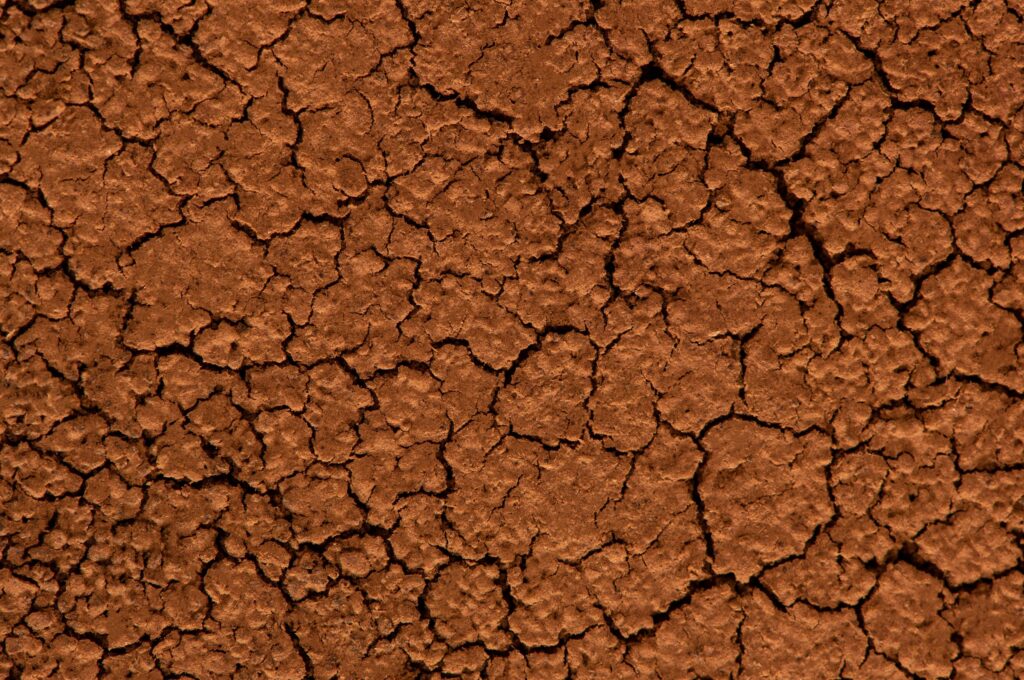
If you’ve noticed cracks in your driveway, uneven sidewalks, or doors that suddenly won’t close properly, you’re not alone. Thousands of homeowners across Shreveport, Bossier City, Ruston, and Monroe face these frustrating problems every year. The culprit? It’s likely hiding right beneath your feet, expansive soil, specifically a troublesome clay called Moreland clay that’s prevalent throughout North Louisiana. Understanding what’s happening underground can save you thousands of dollars in repairs and help you protect your home’s foundation. Let’s dive into why our region’s soil is causing such havoc with concrete slabs and foundations, and most importantly, what you can do about it. What Are Expansive Soils? Expansive soils are types of soil that dramatically change volume based on their moisture content. Think of them like a sponge, when water is added, they swell up significantly. When they dry out, they shrink back down. This might not sound like a big deal, but when you have a concrete driveway, sidewalk, or home foundation sitting on top of this “sponge,” that movement creates serious problems. The clay minerals in these soils can absorb water into their molecular structure, causing them to expand by 10% or more. For perspective, if you have a 10-foot section of soil under your driveway, it could expand by a full foot or more when saturated. That’s enormous pressure pushing up against your concrete! Moreland Clay: North Louisiana’s Foundation Nemesis Here in North Louisiana, we’re dealing with a particularly aggressive type of expansive soil called Moreland clay. This clay is found throughout our region, from the neighborhoods of South Shreveport to the historic districts of Monroe, and it’s notorious among local engineers and foundation specialists. Moreland clay is especially problematic because: Whether you’re near Cross Lake in Shreveport, in the Garden District of Monroe, or anywhere in between, chances are high that Moreland clay is lurking beneath your property. Signs Your Property is Affected by Expansive Soils How do you know if expansive soils are damaging your concrete and foundation? Here are the telltale signs North Louisiana homeowners should watch for: Exterior Signs: Interior Signs: If you’re seeing any of these signs in your Bossier City home or Ruston property, expansive soil movement is likely the cause. Why North Louisiana’s Climate Makes It Worse Our regional climate creates a perfect storm for expansive soil problems. Shreveport and Monroe experience: Hot, Dry Summers: Extended periods of drought cause Moreland clay to shrink dramatically, creating voids under concrete slabs and allowing foundations to settle unevenly. Wet Springs and Falls: Heavy rainfall causes the clay to expand rapidly, pushing up against foundations and concrete with tremendous force. Rapid Weather Changes: North Louisiana’s unpredictable weather means we can go from drought to flooding conditions quickly, causing repeated shrink-swell cycles that stress concrete and foundations. This constant cycle of expansion and contraction is like doing thousands of tiny earthquakes under your home each year. No wonder our concrete doesn’t stand a chance! The Real Cost of Ignoring Expansive Soil Damage Many homeowners in Shreveport and surrounding areas make the mistake of ignoring early signs of expansive soil damage, thinking they’re just cosmetic issues. However, postponing repairs can lead to: The good news? Catching and addressing these issues early can save you thousands of dollars and protect your home’s value. Solutions for Expansive Soil Problems When dealing with expansive soil damage, you have several options: For Concrete Slabs (Driveways, Sidewalks, Pool Decks):The most effective solution is professional concrete leveling. This process involves injecting specialized materials beneath sunken slabs to lift them back to their original position and stabilize the soil underneath. It’s far less expensive than replacement and can often be completed in a single day. For Minor Foundation Issues:Early-stage foundation problems can often be addressed with: For Major Foundation Problems:Severe issues may require foundation piers or other extensive repairs. However, addressing concrete problems early can often prevent foundation damage from occurring. Protecting Your Property from Future Damage While you can’t change the soil beneath your North Louisiana property, you can take steps to minimize its impact: Take Action Before It’s Too Late Whether you’re dealing with uneven driveways in Lincoln Parish or looking to protect your foundation in Ouachita Parish, understanding and addressing expansive soil issues is crucial for protecting your property value and avoiding costly repairs down the road. Don’t let another season of North Louisiana’s extreme weather cycles cause more damage to your concrete and foundation. If you’re seeing cracks, uneven surfaces, or other signs of movement, it’s time to consult with professionals who understand our unique soil challenges. At GreenStar Insulation, we’ve been helping homeowners across Shreveport, Bossier City, Ruston, and Monroe combat expansive soil damage for over 15 years. Our concrete leveling experts understand Moreland clay and know exactly how to restore and protect your concrete surfaces. Call Greenstar Insulation today for a free assessment and discover how we can help stabilize your concrete before minor issues become major expenses. Remember, in North Louisiana, it’s not a matter of if expansive soils will affect your property, it’s when. The key is being prepared and taking action at the first signs of trouble. Your home is your biggest investment; protect it from the ground up.
Beat the Louisiana Winter Rush: Why Fall Is Prime Time for Home Insulation Shreveport
Don’t Wait Until Your Energy Bills Make You Cry: Prepare Your Home Now October in Shreveport might still feel like summer’s evil twin, but winter is coming whether we like it or not. While your neighbors are busy decorating with pumpkins and planning Saints tailgates, smart homeowners are thinking ahead to home insulation Shreveport needs before the first cold snap hits Northwest Louisiana. Trust us, there’s nothing quite like discovering your house has all the thermal efficiency of a screen door when January rolls around and your heating bill rivals your mortgage payment. Don’t be that homeowner. Fall is the absolute best time for home winterization in Bossier City and Shreveport, and we’re here to explain why waiting until winter is like showing up to a crawfish boil after the last mudbugs are gone. Why Louisiana Winters Sneak Up on Unprepared Homes Sure, we don’t get blizzards in Shreveport, but don’t let our mild reputation fool you. Louisiana winters are sneaky little energy vampires that drain your wallet while you’re not paying attention. Those damp, chilly nights that drop into the 20s and 30s force your heating system to work overtime, especially in older homes throughout Highland, Broadmoor, and South Highlands neighborhoods. The real problem? Most homes in Northwest Louisiana were built when energy costs were cheap and energy efficiency wasn’t exactly a priority. Today’s energy prices don’t mess around, and neither should your home winterization strategy. Professional insulation services Shreveport can transform your home from an energy waster to an efficient sanctuary. Modern attic insulation requirements call for R-38 to R-49 insulation values. Translation? You need 12-15 inches of quality insulation to properly protect your home. Most older houses in Shreveport have maybe 6 inches of deteriorated insulation that’s about as effective as using a beach towel as a winter coat. The Fall Advantage: Perfect Timing for Home Insulation Shreveport Projects Fall weather in Shreveport and Bossier City creates ideal conditions for insulation installation that Louisiana homeowners can actually enjoy: Comfortable Working Conditions: October and November temperatures make attic work bearable instead of life-threatening. Summer attic temperatures in Louisiana can exceed 150 degrees – not exactly conducive to quality workmanship or worker safety. Pre-Winter Preparation: Complete your energy efficiency upgrades before heating season begins in earnest. This timing allows you to immediately start seeing energy savings instead of suffering through another expensive winter. Contractor Availability: HVAC and insulation services Shreveport companies typically have better availability in fall compared to the winter rush when everyone suddenly realizes their house is an ice box. Immediate ROI: Start capturing energy savings right away instead of waiting until next fall to address the problem. Stable Weather Patterns: Fall offers more predictable weather windows for completing exterior work without weather-related delays. Neighborhood-Specific Insulation Challenges in Shreveport Different areas of Shreveport and Bossier City face unique home insulation Shreveport challenges that make fall preparation even more critical: Historic South Highlands: Beautiful older homes with charm and character often have minimal original insulation. These houses need comprehensive attic insulation retrofits to meet modern energy efficiency standards without compromising their historic integrity. Broadmoor Area: Mid-century homes frequently have outdated insulation that’s settled, compressed, or contaminated. Professional insulation services Shreveport can dramatically improve these homes’ energy performance. Spring Lake Neighborhoods: Newer construction sometimes has adequate insulation levels but poor air sealing. Professional home winterization addresses both insulation and air leakage for maximum efficiency. Bossier City Developments: Rapid growth areas may have homes built to minimum code requirements. Insulation upgrades Louisiana homeowners install can significantly reduce energy costs in these properties. Youree Drive Corridor: Mix of older and newer homes creates varied insulation needs requiring customized solutions for each property type. The Hidden Costs of Poor Home Insulation in Northwest Louisiana Inadequate home insulation Shreveport doesn’t just impact your energy bills – it creates multiple problems that compound over time: Skyrocketing Energy Bills: Homes with insufficient insulation can waste 40-50% of heating and cooling energy. For the average Shreveport household, that translates to $800-1,200 annually in preventable energy waste. HVAC System Overwork: Your heating and cooling equipment works harder and fails sooner when fighting against poor insulation. Premature HVAC replacement can cost $8,000-15,000. Comfort Issues: Uneven temperatures, drafts, and humidity problems make your home less enjoyable year-round. Moisture Problems: Poor attic insulation can contribute to condensation issues that promote mold growth and structural damage. Reduced Home Value: Energy-inefficient homes have lower resale values and longer market times when homeowners decide to sell. Modern Insulation Solutions for Shreveport Homes Today’s insulation technology far exceeds what was available even ten years ago. GreenStar Insulation uses advanced materials and techniques specifically suited to Louisiana’s climate challenges: Blown-In Fiberglass: Perfect for attic applications, this solution fills gaps and voids that traditional batts miss. It won’t settle over time and maintains R-value even in our humid climate. Spray Foam Insulation: Excellent for sealing air leaks while providing superior insulation value. Particularly effective for crawl space applications where moisture control is critical. Radiant Barrier: Essential for Louisiana homes, radiant barriers reflect heat away from your living space during brutal summer months while preventing heat loss during winter. Professional Air Sealing: Comprehensive sealing of gaps, cracks, and penetrations that allow conditioned air to escape and outside air to infiltrate your home. Calculate Your Potential Savings with Professional Home Insulation Shreveport The math on proper insulation installation is compelling for Shreveport and Bossier City homeowners: Current Insulation Level Annual Energy Waste Professional Upgrade Cost Annual Savings Payback Period Minimal (R-11) $1,200-1,800 $2,500-3,500 $800-1,200 3-4 years Moderate (R-19) $600-900 $1,800-2,500 $400-600 4-5 years Good (R-30) $300-500 $1,200-1,800 $200-350 5-6 years These figures assume current energy prices – if costs continue rising, your savings increase proportionally. The GreenStar Difference: Local Expertise for Louisiana Homes As your neighbors in Northwest Louisiana, we understand the unique challenges our climate creates. Our insulation services Shreveport include: Comprehensive Energy Assessment: We identify all opportunities for improved energy efficiency, not just obvious problems. Customized Solutions: Every home receives insulation recommendations specifically designed for
From Summer Sinking to Winter Disaster: The Smart Homeowner’s Guide to Fall Concrete Repair
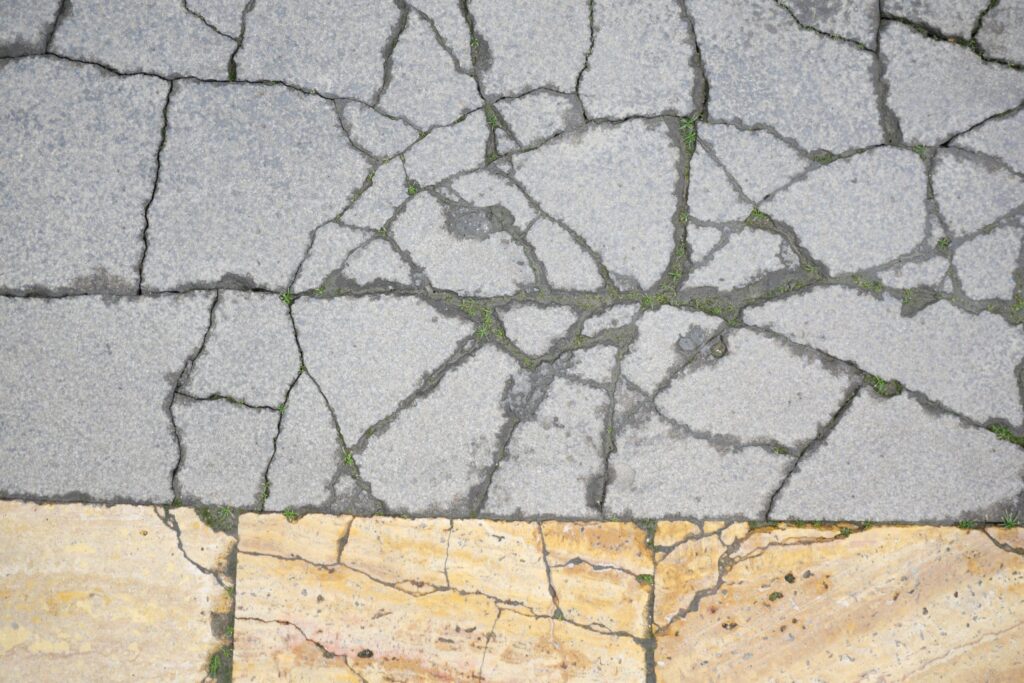
That dip in your Shreveport driveway isn’t getting better on its own. In fact, what started as a minor annoyance during summer’s heat is silently preparing to become a major headache once winter rains arrive. For Northwest Louisiana homeowners seeking reliable driveway repair, fall isn’t just about pumpkin spice and football, it’s your golden opportunity to fix concrete problems before they transform from inconvenient to expensive. The Shreveport Summer Concrete Curse If you’ve lived in Shreveport or Bossier City for more than a season, you know our summers are punishing. Those 95+ degree days don’t just drain your energy and your AC budget, they’re quietly attacking your concrete and creating future driveway repair needs.. Throughout Highland, Broadmoor, and South Highlands neighborhoods, summer’s extreme heat causes soil to dry out and shrink beneath driveways and walkways. When those sudden afternoon thunderstorms hit, the parched ground doesn’t absorb water evenly. The result? Shifting soil that leaves concrete slabs without proper support. This pattern is particularly evident along Youree Drive and throughout Spring Lake, where soil composition makes properties especially vulnerable to concrete settling during summer’s heat-moisture cycles. By August, many homeowners suddenly notice their garage floor doesn’t quite meet their driveway anymore. The Winter Waiting Game: A Losing Proposition Planning to postpone your driveway repair until spring? That strategy might cost you thousands more than necessary. Shreveport and Bossier City typically receive 4-5 inches of rain per month during winter, moisture that exploits every crack and crevice in your already compromised concrete. Water is concrete’s natural enemy, and our mild but wet winters give it plenty of opportunities to cause trouble. When water seeps beneath sunken concrete slabs, several problems accelerate: For homeowners near Cypress Bayou or along Kings Highway, these problems multiply as clay-heavy soils expand and contract dramatically with moisture changes. Why Fall Is the Sweet Spot for Driveway Repair in Northwest Louisiana September through early November offers the perfect conditions for concrete leveling in Shreveport and Bossier City: Ideal Temperatures: Polyurethane foam injection (the modern solution for concrete lifting) cures best in moderate temperatures, exactly what our Louisiana fall provides. The material sets more consistently than during summer’s extreme heat or winter’s fluctuating conditions. Drier Soil Conditions: While not as parched as summer, fall soil has reached a happy medium, stable enough for reliable repair work but not overly dry or wet. Pre-Holiday Timing: Complete repairs before holiday gatherings bring extra visitors (and potential liability) to your home. Shorter Wait Times: Concrete repair companies like GreenStar Insulation typically have shorter scheduling backlogs in fall compared to the spring rush. Weather Reliability: Fall offers more predictable weather windows for uninterrupted work compared to storm-prone winter months. Warning Signs Your Shreveport Driveway Needs Immediate Attention Don’t wait until your vehicle bottoms out to address concrete problems. Here are telltale signs your Shreveport or Bossier City property needs concrete leveling this fall: Uneven Joints: Different heights between concrete sections exceeding ¼ inch (especially common in older neighborhoods like Broadmoor) Standing Water: Puddles that remain long after rain (a frequent issue for homes near Bayou Pierre) Stair-Step Cracks: Diagonal cracks that form steps, often the first sign of serious settling Pulling Away: Concrete that’s separating from adjacent structures (watch where your driveway meets your garage slab) Sinking Sections: Dips or depressions in previously level surfaces Delaying repairs can be costly. When small dips are ignored through multiple winter seasons, water often undermines so much soil that complete replacement becomes necessary instead of simple leveling, potentially increasing costs by thousands of dollars. Neighborhood Success Stories: Concrete Transformations Across Shreveport Concrete problems don’t discriminate by zip code. Here’s how homeowners throughout Northwest Louisiana have benefited from fall concrete repairs: South Highlands: A historic home on Fairfield Avenue had a severely tilted walkway creating dangerous conditions for visitors. Our polyjacking process restored the century-old concrete to perfect level without damaging the historic character of the property. Bossier City: A family near Airline Drive watched their driveway sink nearly three inches where it met their garage. Using strategic polyurethane foam injection, we raised the concrete precisely, preventing potential drainage issues before winter rains arrived. Youree Drive Commercial Area: A medical office building addressed uneven sidewalks during fall, eliminating liability concerns before winter’s peak slip-and-fall season. Their insurance company actually recommended the timing. The Polyjacking Advantage for Shreveport Concrete Repair Forget everything you know about old-school mudjacking. Today’s driveway repair techniques use advanced polyurethane foam injection, a precise, long-lasting solution perfect for Shreveport’s unique soil conditions. The process is remarkably non-disruptive: This modern approach costs 50-70% less than concrete replacement while providing superior longevity, especially in our challenging Northwest Louisiana soil conditions. The Real Cost of Waiting: Shreveport Concrete Repair ROI Consider these real numbers from recent Shreveport and Bossier City projects: Fall concrete repairs offer an exceptional return on investment, especially considering the protection they provide through winter’s challenging conditions. Don’t Wait Until Your Concrete’s Winter Wakeup Call That small driveway dip you’re ignoring today could be next February’s major headache. Fall represents your best opportunity to address concrete problems before Northwest Louisiana’s winter rains turn minor issues into major repairs. GreenStar Insulation provides free concrete inspections throughout Shreveport, Bossier City, and surrounding communities. Our experienced technicians can identify potential problems and recommend the most cost-effective solutions before winter weather arrives. Contact Greenstar today!
Back-to-School Safety: Protecting Students (and Your Wallet) from Concrete Tripping Hazards

As Shreveport’s College Campuses Fill Up, Smart Property Owners Level Up Their Liability Protection August in Shreveport means three things: heat that could melt steel, parents frantically shopping for dorm essentials, and thousands of students descending upon LSUS, SUSLA, Centenary College, and Louisiana Tech’s Shreveport campus. If you’re a property owner or landlord near these institutions, it’s time for a reality check, literally. Those uneven concrete surfaces around your rental properties aren’t just eyesores; they’re potential lawsuits waiting to happen. Let’s talk about why addressing tripping hazards before the academic year begins isn’t just smart property management, it’s essential fall and injury prevention that could save you from financial disaster. The College Student Equation: Distraction + Speed = Disaster Picture this: It’s move-in day at your rental property near LSUS. Students are hauling boxes while texting, parents are navigating unfamiliar walkways with armloads of mini-fridges, and everyone’s in a hurry. That innocent-looking ½ inch rise in your sidewalk? It’s about to become the star of someone’s personal injury claim. College students are particularly vulnerable to tripping hazards for several reasons: When you add Northwest Louisiana’s unpredictable weather to the mix, from sudden downpours to those rare but treacherous ice events, your property’s concrete issues become a perfect storm for accidents. The Legal Reality Check: When “Kids Will Be Kids” Meets “Landlords Will Be Liable” Here’s where the fun stops and the lawyer talk begins. In Louisiana, property owners and landlords have what’s called “premises liability.” This fancy legal term essentially means you’re responsible for maintaining reasonably safe conditions on your property. And before you say, “But they should watch where they’re going!” remember that courts don’t typically see it that way. Negligence in maintaining your property can lead to expensive lawsuits faster than you can say “geaux Tigers.” When concrete surfaces have vertical changes exceeding ¼ inch (yes, that’s all it takes), you’ve officially entered the danger zone. Courts have consistently found property owners liable for injuries resulting from such hazards, especially when they knew or should have known about the dangerous condition. Consider this sobering scenario: A SUSLA nursing student trips on your uneven walkway, breaks her wrist, and misses clinical rotations. Suddenly, you’re not just looking at medical bills, you’re potentially liable for: That little concrete problem just became a six-figure nightmare. Rental Properties Near Centenary and Louisiana Tech: Special Considerations Properties near Shreveport’s colleges face unique fall and injury prevention challenges. Student rentals typically see higher foot traffic, more frequent move-ins and move-outs, and let’s face it, less gentle treatment than owner-occupied homes. This accelerated wear and tear means concrete problems develop faster and become dangerous quicker. Smart landlords understand that preventing tripping hazards isn’t just about avoiding lawsuits, it’s about protecting their investment and reputation. Word travels fast in college communities. One injured student posting about their accident on social media can tank your rental prospects faster than a failed physics exam. The Hidden Costs of Ignoring Concrete Problems Beyond the obvious litigation risks, neglecting concrete maintenance at your rental properties creates a cascade of expensive problems: Insurance Premium Increases: One claim can send your rates soaring higher than Louisiana humidity in August. Multiple claims? Good luck finding affordable coverage. Property Value Decline: Prospective buyers and appraisers notice neglected maintenance. Those “minor” concrete issues suddenly become major negotiation points. Tenant Turnover: Safety-conscious parents won’t rent properties with obvious hazards for their children. Quality tenants have options – they’ll choose properties where landlords clearly care about safety. Repair Cost Escalation: That small settling issue becomes a complete sidewalk replacement when ignored. Early intervention through professional concrete leveling costs a fraction of eventual replacement. Creating a Liability-Proof Property: Your Pre-Semester Checklist Before those first students arrive for fall semester, conduct a thorough property assessment: The GreenStar Solution: Fast Fixes Before First Day of Classes Time is ticking, and those students will arrive whether your property is ready or not. Professional concrete leveling offers the perfect solution for time-crunched property owners. Unlike complete replacement that could leave your property a construction zone during move-in week, modern polyjacking techniques can restore safe, level surfaces in hours, not days. The investment in professional concrete leveling pays for itself by: Don’t Let Your Property Fail Its Safety Finals As Shreveport’s colleges prepare for another academic year, make sure your rental properties pass the most important test – safety. Those bright-eyed freshmen heading to LSUS, the determined community college students at SUSLA, and the tradition-loving Centenary students all deserve safe places to live and study. More importantly, you deserve protection from preventable lawsuits that could derail your financial future. Address those tripping hazards now with professional concrete leveling, and spend the school year collecting rent instead of legal bills. Remember: In the world of premises liability, there’s no grading curve. When it comes to fall and injury prevention, you either pass by maintaining safe property conditions, or you fail spectacularly in court. Don’t let negligence turn your rental property into an expensive lesson in liability law. Contact GreenStar Insulation today for a free concrete assessment of your rental properties. Because the only thing scarier than a pop quiz is a process server at your door.
Dangers of Standing Water: A Shreveport Homeowner’s Guide
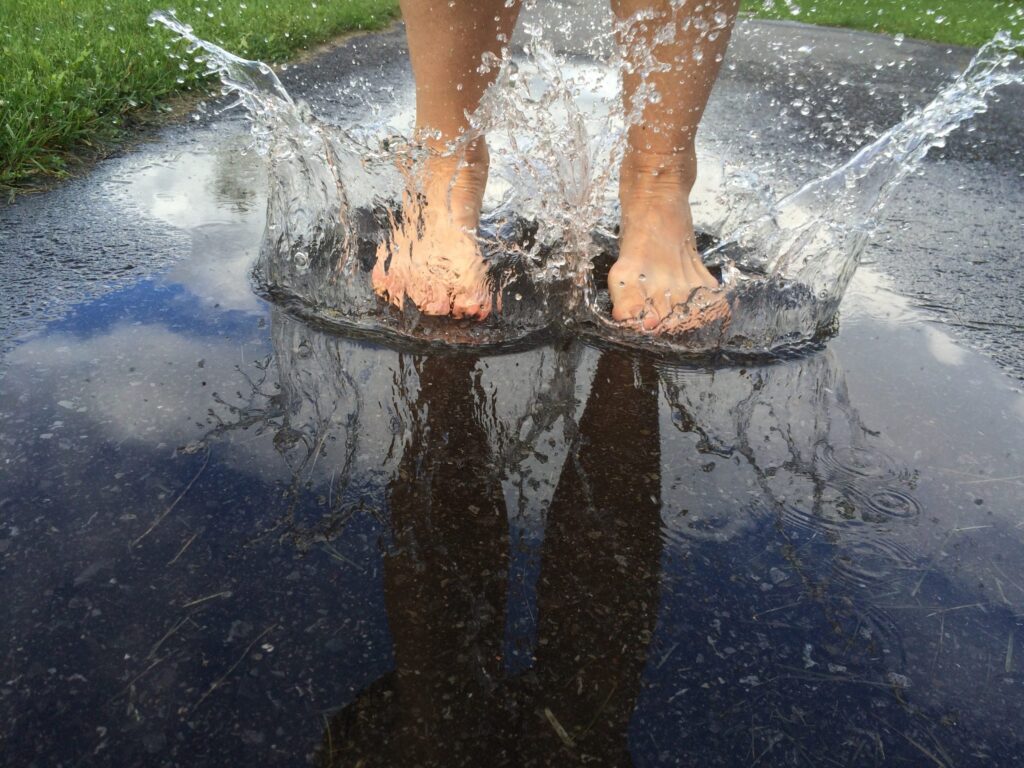
After those heavy Louisiana downpours that we’ve experienced this season in Shreveport and Bossier City, have you noticed puddles lingering in your driveway, sidewalk, or yard for days? Those innocent-looking pools of water are more than just a minor inconvenience, they represent potential health hazards, property damage, and costly repairs if left unaddressed. Understanding the dangers of standing water is crucial for protecting your home and family. Standing Water: A Breeding Ground for Trouble Standing water around your Shreveport home isn’t just unsightly, it’s a ticking time bomb. When rainwater has nowhere to go due to poor drainage, it collects in low spots, often created by uneven or settled concrete surfaces. In Northwest Louisiana’s humid subtropical climate, these conditions create the perfect storm for a variety of problems. Unlevel concrete is frequently the root cause of many drainage issues. When driveways, patios, and sidewalks settle unevenly over time, they create low spots where water can pool instead of properly draining away from the home. The average Shreveport home receives approximately 51 inches of rainfall annually, significantly higher than the national average. With our particularly wet spring and summer seasons, standing water becomes a year-round concern for local homeowners. The Pest Invasion: Mosquito Heaven in Your Backyard Perhaps the most immediate dangers of standing water come from unwanted pests – particularly mosquitoes. Louisiana’s warm, humid climate already makes our region a mosquito haven, but add standing water to the equation, and you’ve essentially created the perfect breeding ground. It’s a problem all across the south, where high humidity, warm temperatures, and frequent rainfall create ideal conditions for mosquito proliferation. According to the source material, “For us in Louisiana, mosquito season is year-round,” says Aaron Beaugh, co-owner of Mosquito Authority in Opelousas. “We’re seeing an uptick right now with all the rain and the warmer temps.” Here’s what Shreveport homeowners need to understand about mosquitoes and standing water: The health implications are serious. According to the Louisiana Department of Health, there have been 38 reported cases of West Nile neuroinvasive disease in the state in 2024, resulting in three deaths. This most severe form of infection can affect the central nervous system, potentially leading to hospitalization or death. Beyond West Nile, mosquitoes in our region can also transmit other diseases like St. Louis Encephalitis and Eastern Equine Encephalitis. Concrete Deterioration: The Progressive Problem Many Shreveport homeowners don’t realize that one of the significant dangers of standing water is the accelerated deterioration of concrete surfaces themselves. Here’s how the damage typically progresses in our Louisiana climate: 0-6 Months of Regular Water Exposure: 6-12 Months of Regular Water Exposure: 1-3 Years of Regular Water Exposure: This deterioration creates a vicious cycle – as concrete deteriorates, it settles further, creating even more pronounced low spots for water collection, which in turn accelerates the deterioration. Costly Foundation Damage: The Silent Threat While mosquitoes represent an immediate health concern, standing water poses a slower but potentially more expensive threat to your property, foundation damage. Shreveport’s soil composition, which contains significant clay content, is particularly susceptible to expansion and contraction with moisture changes. When water pools around your foundation due to improper drainage from unlevel concrete, it creates a dangerous cycle: Signs of foundation damage from poor drainage include: By addressing the root cause, uneven concrete that prevents proper drainage away from the home, you can prevent these costly foundation issues before they develop. Prevention Techniques That Work: Concrete Leveling and Beyond Addressing the dangers of standing water effectively requires a multi-faceted approach, but the most critical first step for most Shreveport properties is ensuring that concrete surfaces are properly leveled to promote drainage. Concrete Leveling: The Foundation of Proper Drainage GreenStar Insulation specializes in concrete leveling services that address the root cause of many standing water issues. According to their website, their process includes: As stated in the provided material about GreenStar’s concrete leveling services: “Our team can perform slab jacking services in just a few hours. We’ll start by drilling strategically placed holes into the slab. Next, we’ll insert flexible hoses that are connected to our portable pump. Finally, we’ll pump a mixture of materials underneath your slab to get it back in its original position.” The benefits of concrete leveling for drainage issues include: Their concrete leveling process offers several advantages, as mentioned in the source material: “It can be done in virtually any weather, it causes minimal disruption to landscaping, it doesn’t require you to move anything off the slab, and it’s noiseless and free of dust and debris.” Complementary Irrigation Techniques While concrete leveling addresses the structural causes of standing water, complementary irrigation techniques can further enhance drainage on your Shreveport property: French Drains: These subsurface drainage systems consist of perforated pipes surrounded by gravel, directing water away from problem areas. They’re particularly effective in Shreveport’s clay soils, which tend to drain poorly. Rain Gardens: Strategic plantings in depressed areas can help absorb excess rainwater while adding beauty to your landscape. Native Louisiana plants can be excellent choices for Shreveport rain gardens. Proper Gutter Systems: Ensuring your gutters are clean, properly sized, and direct water at least 5-10 feet away from your foundation is essential in our high-rainfall region. Permeable Pavers: For new installations, consider permeable pavement options that allow water to filter through rather than run off, reducing standing water issues. Regular Maintenance: As recommended in the source material, “Try to get rid of that standing water, maybe you have a ditch clogged with leaves and debris. Try to clear it out and drain it the best you can.” Take Action Now: Protecting Your Shreveport Home The time to address the dangers of standing water is before they lead to mosquito infestations, foundation damage, or concrete deterioration. Here’s a simple action plan for Shreveport and Bossier City homeowners: Call GreenStar Insulation Today Don’t wait until the dangers of standing water lead to costly repairs or health concerns. With Shreveport’s substantial rainfall and humid climate, water management should be a priority for
Home Insulation Technologies: Innovations vs. Proven Solutions
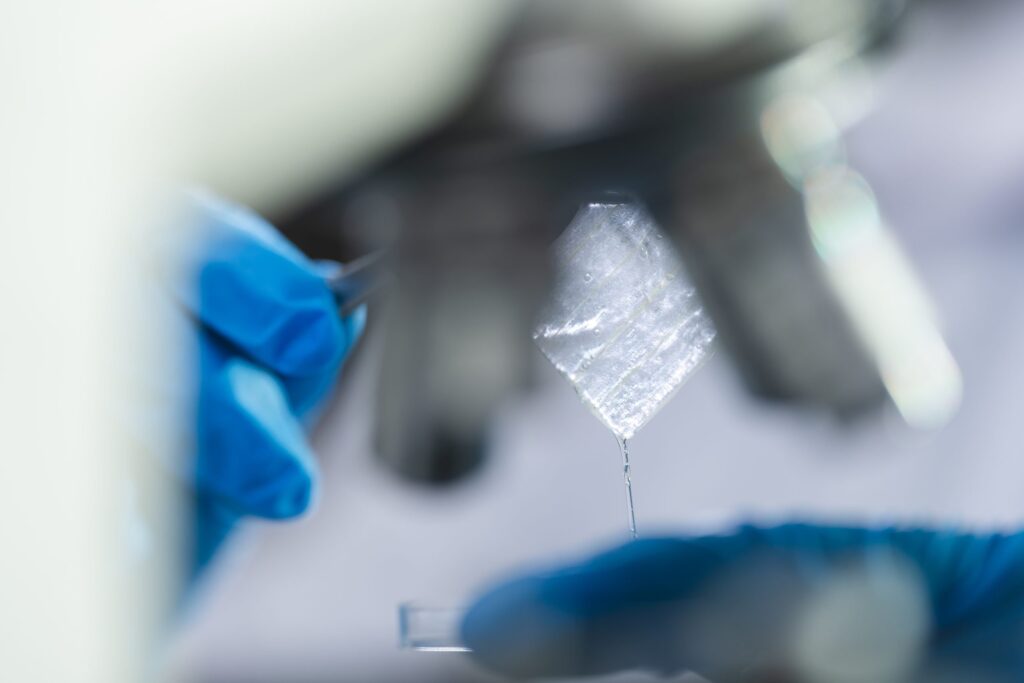
In today’s energy-conscious world, home insulation has evolved far beyond the pink fiberglass batts of yesterday. Modern homeowners face an increasingly complex landscape of innovative materials and technologies that promise superior energy efficiency. But which insulation technologies truly deliver on their promises, and which are best suited for Louisiana’s unique climate challenges? This comprehensive guide examines cutting-edge insulation innovations and compares them with proven performers to help you make the most informed decision for your home. The Evolution of Home Insulation Technology: What’s Changed in 2025? The insulation industry has undergone remarkable transformation over the past decade. Rising energy costs, stricter building codes, and growing environmental awareness have accelerated innovations across the board. Today’s insulation technologies offer performance capabilities that would have seemed like science fiction just years ago. The question is no longer simply “what R-value do I need?” but rather “which insulation technology best addresses my specific home’s challenges?” High-Tech Insulation Innovations: Impressive But Impractical? Several breakthrough insulation technologies have captured headlines with promises of extraordinary performance. Let’s evaluate these cutting-edge options against practical considerations for typical Louisiana homes. Vacuum Insulation Panels (VIPs): Space-Age Technology with Limitations Vacuum insulation panels represent perhaps the most advanced insulation technology available today, utilizing the same principle that makes thermal coffee mugs effective. How VIPs Work: Practical Assessment for Louisiana Homes: While VIPs offer impressive theoretical performance, their practical application in Louisiana homes remains limited primarily to ultra-high-efficiency new construction where space constraints are critical. Aerogel Insulation: NASA Technology at Premium Pricing Originally developed for space applications, aerogel insulation is among the lightest solid materials known, composed of up to 99.8% air. How Aerogel Insulation Works: Practical Assessment for Louisiana Homes: While aerogel blankets and boards show promise for specific applications like pipe insulation or thermal bridging solutions, they remain too costly for whole-home applications in most Louisiana residences. Reflective and Radiant Barriers: Helpful Supplements in Hot Climates Reflective insulation and radiant barriers address a different aspect of heat transfer, radiation, particularly important in Louisiana’s hot climate. How Radiant Barriers Work: Practical Assessment for Louisiana Homes: Radiant barriers make excellent supplementary insulation in Louisiana attics but should be used in conjunction with mass-based insulation for complete thermal protection. Why Spray Foam Insulation Remains the Gold Standard for Louisiana Homes Among all insulation technologies available today, spray polyurethane foam (SPF) continues to offer the best overall performance for Louisiana’s challenging climate conditions. Its unique combination of air-sealing capabilities and moisture control makes it particularly well-suited to our high-humidity environment. The Science Behind Spray Foam’s Superior Performance in Southern Climates Unlike many newer technologies that focus solely on R-value, spray foam addresses multiple building science concerns simultaneously: Cost-Benefit Analysis: Spray Foam vs. High-Tech Alternatives When evaluating total cost of ownership rather than just installation costs, spray foam consistently outperforms both traditional and cutting-edge alternatives: Performance Factor Spray Foam Vacuum Panels Aerogel Fiberglass Initial cost per sq ft 1.50−1.50−3.50 4.00−4.00−10.00 2.00−2.00−5.00 0.80−0.80−1.20 Annual energy savings 30-50% 40-60% 25-40% 10-20% Installation complexity Moderate Very High High Low Durability (years) 50+ 15-25 50+ 15-30 Moisture resistance Excellent Good Excellent Poor ROI timeline 3-7 years 10-15+ years 8-12 years 7-10 years For most Louisiana homeowners, spray foam’s balance of performance, practical installation, and long-term energy savings makes it the most sensible choice despite its higher initial investment compared to conventional insulation. Sustainable Insulation Solutions: Eco-Friendly Without Compromise For environmentally conscious homeowners, several sustainable insulation options offer respectable performance while minimizing ecological impact. Natural Fiber Insulations: Renewable Resources with Premium Benefits Materials like sheep’s wool and cork represent the premium tier of sustainable insulation options. Sheep’s Wool Insulation: Cork Insulation: While these premium natural options offer impressive performance characteristics, their higher cost and limited availability make them suitable primarily for specialized green building projects or homeowners prioritizing natural materials above all other considerations. Cellulose: The Practical Eco-Friendly Solution for Louisiana Homes Among sustainable insulation options, cellulose blown-in insulation stands out as the most practical and cost-effective solution for Louisiana homeowners seeking both performance and environmental benefits. Why Cellulose Excels in Louisiana’s Climate: For Louisiana homeowners seeking to balance performance, sustainability, and budget, cellulose represents the most practical eco-friendly insulation option currently available. Making the Right Choice for Your Louisiana Home When evaluating insulation options for your Louisiana property, several regional factors should influence your decision: The optimal solution often involves a strategic combination of insulation technologies. For example: This hybrid approach maximizes performance while optimizing budget allocation. Greenstar Insulation: Louisiana’s Home Performance Experts At Greenstar Insulation, we understand that navigating today’s complex insulation options requires expert guidance. Our comprehensive approach includes: Serving Shreveport, Bossier City, and surrounding communities, our team brings specialized knowledge of Louisiana’s unique climate challenges to every project. Contact Greenstar Insulation today to schedule your free consultation and discover how modern insulation technology can transform your home’s comfort, efficiency, and durability.
Tax Return Season: Invest in Your Home Before You Blow It Quick

Spring has arrived in Shreveport and Bossier City, bringing with it two certainties: pollen that coats everything in a cheery yellow film, and tax refunds hitting bank accounts across Louisiana. While that refund money might be whispering sweet nothings about new TVs or weekend getaways, we at GreenStar Insulation have a wild suggestion: what if you invest in your home with improvements that actually pay you back? Why Invest in Your Home This Tax Season? Let’s be honest, there’s nothing wrong with treating yourself. But before you drop that refund check on another gadget that’ll be obsolete before the Red River Festival, consider this: upgrading your home’s insulation or fixing that tsunami-like dip in your pool deck could be the gift that keeps on giving. The average tax refund in Louisiana hovers around $3,000. That’s enough to invest in your home with significant improvements that will: Spray Foam Insulation: Because Louisiana Humidity Doesn’t Take Days Off Here in Shreveport, we don’t just deal with heat, we battle the special kind of hot that feels like you’re breathing through a wet blanket. Conventional insulation simply wasn’t designed for our unique climate challenges. Why Spray Foam Is Shreveport’s Secret Weapon Traditional fiberglass insulation has an R-value (insulating power) of about R-3.5 per inch. Open-cell spray foam? R-3.8 per inch. But closed-cell spray foam delivers a whopping R-6.5 to R-7 per inch. That’s like comparing a paper fan to central air. But the R-value is just the beginning. Spray foam creates an airtight seal that: The GreenStar Difference: Not All Foam is Created Equal After completing hundreds of insulation projects across Shreveport and Bossier City, we’ve perfected our approach to Louisiana’s unique climate challenges. Our certified technicians use only premium materials that are formulated specifically for Southern homes, where traditional insulation methods simply can’t keep up with our extreme conditions. Our expertise allows us to identify the precise areas where your home is losing efficiency. In fact, we’ve seen homes where the A/C was running virtually non-stop, struggling to maintain 80 degrees indoors. After our spray foam application, those same systems easily maintain a comfortable temperature while running less frequently and consuming significantly less energy. Concrete Leveling: Another Smart Way to Invest in Your Home While you’re upgrading your home’s efficiency, don’t overlook what’s happening underfoot. Those concrete slabs around your pool, patio, or driveway that have decided to chart their own uneven path aren’t adding “rustic charm,” they’re adding liability and embarrassment. The Louisiana Concrete Challenge Our unique soil conditions in Northwest Louisiana make concrete settlement more common than finding a good po’boy. Clay soils expand when wet and shrink when dry, something we experience seasonally with our spring rains and summer dry spells. This cycle creates voids under your concrete slabs, and gravity does what gravity does best: pulls things down into those voids, creating uneven surfaces, trip hazards, and pooling water that attracts more mosquitoes than a bug zapper convention. Modern Solutions for Age-Old Problems Forget the old-school method of tearing out and replacing concrete, that’s like buying a new car because the oil needs changing. Our polyurethane foam concrete lifting: When You Invest in Your Home, The Returns Keep Coming If you’re like most Shreveport and Bossier City homeowners, you’re about to enter the season of outdoor living, higher energy bills, and wondering why your allergies hate you. Investing your tax refund in spray foam insulation and concrete leveling now means: As one of our recent customers put it: “Adding the insulation has helped my A/C to cool better and the thermostat to control the temperature at around 72-75 when before it stayed around 85 and the A/C ran constantly.” This isn’t just comfort, it’s serious energy savings during Louisiana’s most expensive cooling months. The GreenStar Edge: Expertise That Makes a Difference What separates GreenStar from other insulation companies? It’s our comprehensive approach to home efficiency. When our team arrives at your home, we don’t just look at the obvious, we investigate the entire building envelope to identify hidden issues that other contractors often miss. For instance, during routine inspections, we’ve discovered improperly installed HVAC systems, ventilation issues that were causing moisture problems, and even structural concerns that homeowners had no idea existed. This whole-home perspective means you’re not just getting insulation, you’re getting a complete efficiency solution when you invest in your home with GreenStar. Our team is led by Jason Langston, whose knowledge of building science and insulation technology has made him one of the most respected experts in the Shreveport-Bossier area. When you work with GreenStar, you’re getting advice from professionals who understand not just how to install insulation, but why it matters for your specific home. Call GreenStar Today Before That Refund Finds Another Home Your tax refund won’t last long in your account, money has a way of finding somewhere to go. Why not direct it toward improvements that enhance your comfort, save you money, and make your home the envy of the neighborhood? GreenStar Insulation’s expert team is ready to provide a free, no-obligation estimate for both spray foam insulation and concrete leveling projects. We serve all of Shreveport, Bossier City, and surrounding communities with the professionalism and expertise that makes home improvements actually enjoyable. Call us today, and let’s put that tax refund to work to invest in your home in a way that would make even your financial advisor proud.