In today’s energy-conscious world, home insulation has evolved far beyond the pink fiberglass batts of yesterday. Modern homeowners face an increasingly complex landscape of innovative materials and technologies that promise superior energy efficiency. But which insulation technologies truly deliver on their promises, and which are best suited for Louisiana’s unique climate challenges? This comprehensive guide examines cutting-edge insulation innovations and compares them with proven performers to help you make the most informed decision for your home.
The Evolution of Home Insulation Technology: What’s Changed in 2025?
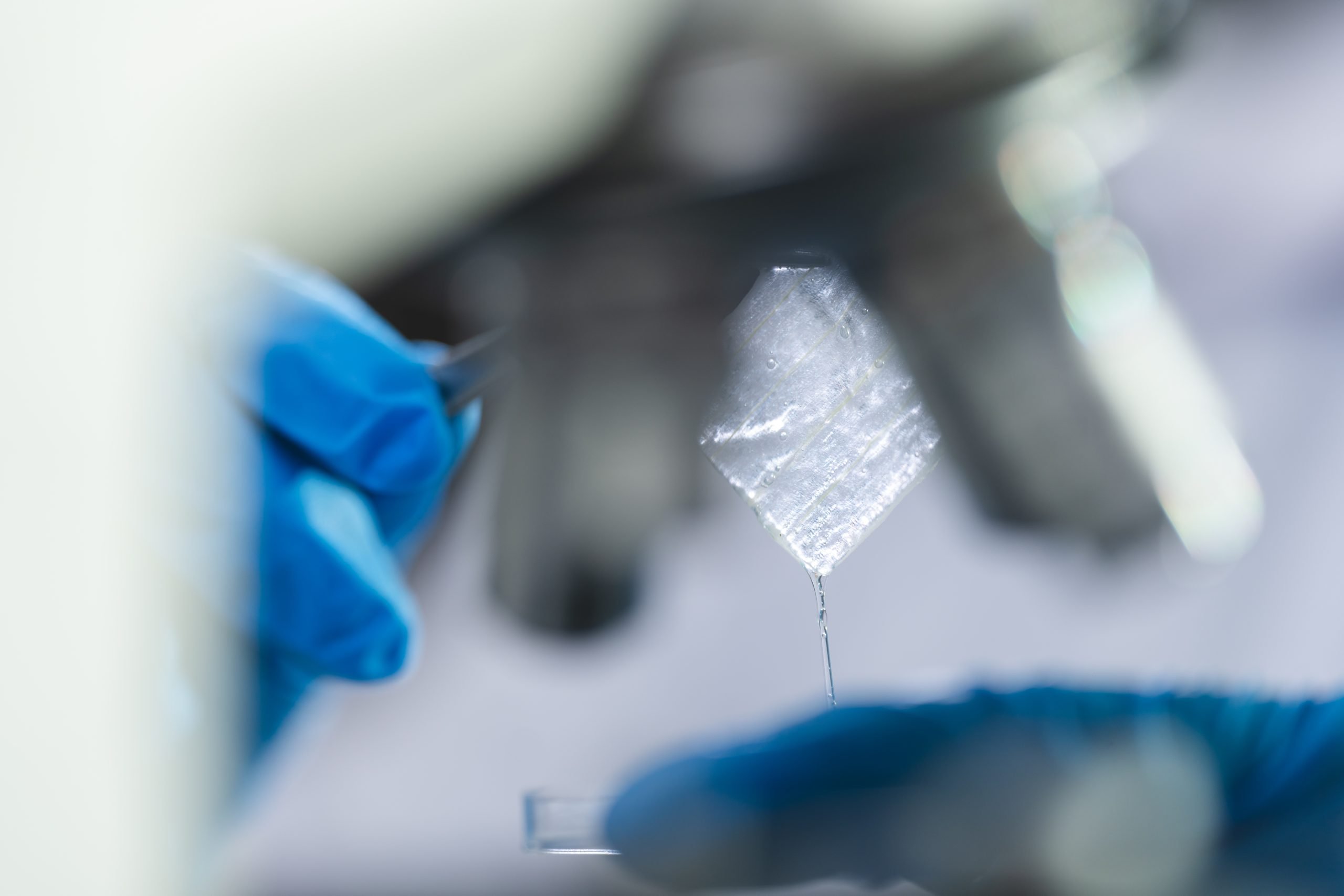
The insulation industry has undergone remarkable transformation over the past decade. Rising energy costs, stricter building codes, and growing environmental awareness have accelerated innovations across the board. Today’s insulation technologies offer performance capabilities that would have seemed like science fiction just years ago.
The question is no longer simply “what R-value do I need?” but rather “which insulation technology best addresses my specific home’s challenges?”
High-Tech Insulation Innovations: Impressive But Impractical?
Several breakthrough insulation technologies have captured headlines with promises of extraordinary performance. Let’s evaluate these cutting-edge options against practical considerations for typical Louisiana homes.
Vacuum Insulation Panels (VIPs): Space-Age Technology with Limitations
Vacuum insulation panels represent perhaps the most advanced insulation technology available today, utilizing the same principle that makes thermal coffee mugs effective.
How VIPs Work:
- Core material (typically fumed silica) is vacuum-sealed within an airtight envelope
- The vacuum eliminates air molecules that would otherwise transfer heat
- R-values can reach R-25 to R-30 per inch (compared to spray foam’s R-6 to R-7)
Practical Assessment for Louisiana Homes:
- Cost Prohibitive: 4−4−10 per square foot (5-10 times the cost of premium spray foam)
- Fragility Concerns: Cannot be cut, punctured, or modified at the job site
- Installation Challenges: Requires specialist installation and perfect preplanning
- Longevity Questions: Performance degradation over time as vacuum seals age
While VIPs offer impressive theoretical performance, their practical application in Louisiana homes remains limited primarily to ultra-high-efficiency new construction where space constraints are critical.
Aerogel Insulation: NASA Technology at Premium Pricing
Originally developed for space applications, aerogel insulation is among the lightest solid materials known, composed of up to 99.8% air.
How Aerogel Insulation Works:
- Nano-scale silica structure traps air in microscopic pockets
- Achieves R-values of approximately R-10 per inch
- Extremely lightweight and hydrophobic (water-repellent)
Practical Assessment for Louisiana Homes:
- Prohibitive Cost: 2−2−5 per square foot (3-8 times more expensive than conventional options)
- Limited Availability: Still primarily a specialty product
- Brittleness Concerns: Can create silica dust during installation
- Application Constraints: Better suited for specialized industrial applications
While aerogel blankets and boards show promise for specific applications like pipe insulation or thermal bridging solutions, they remain too costly for whole-home applications in most Louisiana residences.

Reflective and Radiant Barriers: Helpful Supplements in Hot Climates
Reflective insulation and radiant barriers address a different aspect of heat transfer, radiation, particularly important in Louisiana’s hot climate.
How Radiant Barriers Work:
- Reflective surfaces (typically aluminum) reflect radiant heat
- Most effective in hot climates where solar heat gain is significant
- Works by reflecting up to 97% of radiant heat
Practical Assessment for Louisiana Homes:
- Climate-Appropriate: Well-suited for Louisiana’s hot, sunny conditions
- Cost-Effective Supplement: 0.15−0.15−0.30 per square foot installed
- Performance Limitations: Requires air gap to function properly
- Dust Accumulation: Effectiveness decreases as dust accumulates on surfaces
Radiant barriers make excellent supplementary insulation in Louisiana attics but should be used in conjunction with mass-based insulation for complete thermal protection.
Why Spray Foam Insulation Remains the Gold Standard for Louisiana Homes
Among all insulation technologies available today, spray polyurethane foam (SPF) continues to offer the best overall performance for Louisiana’s challenging climate conditions. Its unique combination of air-sealing capabilities and moisture control makes it particularly well-suited to our high-humidity environment.
The Science Behind Spray Foam’s Superior Performance in Southern Climates
Unlike many newer technologies that focus solely on R-value, spray foam addresses multiple building science concerns simultaneously:
- Comprehensive Air Barrier: Expands to seal even microscopic gaps and penetrations, reducing air infiltration by up to 95% compared to traditional insulation
- Superior Moisture Management: Closed-cell foam provides a Class II vapor retarder (0.05-1.0 perms), critical for preventing moisture intrusion in Louisiana’s humid climate
- Structural Enhancement: Adds up to 250% increased racking strength to wall assemblies, particularly valuable during hurricane season
- Lifetime Performance: Unlike conventional insulation that can settle or degrade, properly installed spray foam maintains its performance for the life of the structure
Cost-Benefit Analysis: Spray Foam vs. High-Tech Alternatives
When evaluating total cost of ownership rather than just installation costs, spray foam consistently outperforms both traditional and cutting-edge alternatives:
| Performance Factor | Spray Foam | Vacuum Panels | Aerogel | Fiberglass |
| Initial cost per sq ft | 1.50−1.50−3.50 | 4.00−4.00−10.00 | 2.00−2.00−5.00 | 0.80−0.80−1.20 |
| Annual energy savings | 30-50% | 40-60% | 25-40% | 10-20% |
| Installation complexity | Moderate | Very High | High | Low |
| Durability (years) | 50+ | 15-25 | 50+ | 15-30 |
| Moisture resistance | Excellent | Good | Excellent | Poor |
| ROI timeline | 3-7 years | 10-15+ years | 8-12 years | 7-10 years |
For most Louisiana homeowners, spray foam’s balance of performance, practical installation, and long-term energy savings makes it the most sensible choice despite its higher initial investment compared to conventional insulation.

Sustainable Insulation Solutions: Eco-Friendly Without Compromise
For environmentally conscious homeowners, several sustainable insulation options offer respectable performance while minimizing ecological impact.
Natural Fiber Insulations: Renewable Resources with Premium Benefits
Materials like sheep’s wool and cork represent the premium tier of sustainable insulation options.
Sheep’s Wool Insulation:
- Natural fire resistance (self-extinguishing)
- Excellent humidity regulation (can absorb up to 30% of its weight in moisture without losing insulating properties)
- R-value of approximately R-3.5 to R-3.8 per inch
- Pricing of 1.50−1.50−2.50 per square foot (comparable to spray foam)
Cork Insulation:
- Harvested sustainably from cork oak trees (bark regenerates)
- Natural resistance to mold, mildew, and pests
- R-value of approximately R-3.6 per inch
- Excellent sound dampening properties
- Limited availability and higher cost (2−2−3 per square foot)
While these premium natural options offer impressive performance characteristics, their higher cost and limited availability make them suitable primarily for specialized green building projects or homeowners prioritizing natural materials above all other considerations.
Cellulose: The Practical Eco-Friendly Solution for Louisiana Homes
Among sustainable insulation options, cellulose blown-in insulation stands out as the most practical and cost-effective solution for Louisiana homeowners seeking both performance and environmental benefits.
Why Cellulose Excels in Louisiana’s Climate:
- Superior Performance in Existing Homes: Cellulose can be easily installed in existing wall cavities and attics without major renovation, making it ideal for Louisiana’s older housing stock.
- Enhanced Fire Safety: Treated with non-toxic borate compounds, cellulose actually improves fire resistance compared to many conventional insulations, important in a region with elevated fire risks during drought periods.
- Advanced Moisture Management: Modern cellulose formulations include moisture-controlling additives that help manage Louisiana’s humidity fluctuations without promoting mold growth.
- Exceptional Environmental Credentials:
- Contains 82-85% post-consumer recycled content
- Diverts approximately 500 newspapers from landfills per home insulated
- Produces 30% less embodied energy than fiberglass during manufacturing
- Creates a carbon-negative footprint when accounting for recycled content
- Cost-Effectiveness: At 1.20−1.20−2.00 per square foot installed, cellulose provides an accessible entry point for sustainable insulation with minimal price premium over conventional options.
- Dense-Packing Advantage: Professional installation using dense-packing techniques achieves R-values of R-3.8 to R-3.9 per inch while significantly reducing air movement within wall cavities.
For Louisiana homeowners seeking to balance performance, sustainability, and budget, cellulose represents the most practical eco-friendly insulation option currently available.
Making the Right Choice for Your Louisiana Home
When evaluating insulation options for your Louisiana property, several regional factors should influence your decision:
- Humidity Management: Louisiana’s extreme humidity demands insulation that won’t absorb moisture or promote mold growth.
- Hurricane Resilience: Consider insulation options that enhance structural integrity during severe weather events.
- Cooling Efficiency: With cooling expenses representing up to 70% of energy bills, prioritize insulation systems that excel at keeping heat out.
- Long-Term Performance: Louisiana’s climate accelerates degradation of many building materials—choose options with proven longevity.
The optimal solution often involves a strategic combination of insulation technologies. For example:
- Spray foam in critical areas like rooflines and band joists
- Cellulose in exterior walls and attic floors
- Radiant barriers in attic assemblies
This hybrid approach maximizes performance while optimizing budget allocation.
Greenstar Insulation: Louisiana’s Home Performance Experts
At Greenstar Insulation, we understand that navigating today’s complex insulation options requires expert guidance. Our comprehensive approach includes:
- Customized Assessment: Detailed home energy evaluation to identify your specific insulation needs
- Technology Matching: Recommendations tailored to your home’s construction, your priorities, and your budget
- Professional Installation: Certified technicians using state-of-the-art equipment for optimal results
- Quality Verification: Post-installation testing to confirm performance meets specifications
Serving Shreveport, Bossier City, and surrounding communities, our team brings specialized knowledge of Louisiana’s unique climate challenges to every project.
Contact Greenstar Insulation today to schedule your free consultation and discover how modern insulation technology can transform your home’s comfort, efficiency, and durability.